Op-Ed
End Hostilities Wherever They Are and Immediately Declare Zones of Peace – Part I
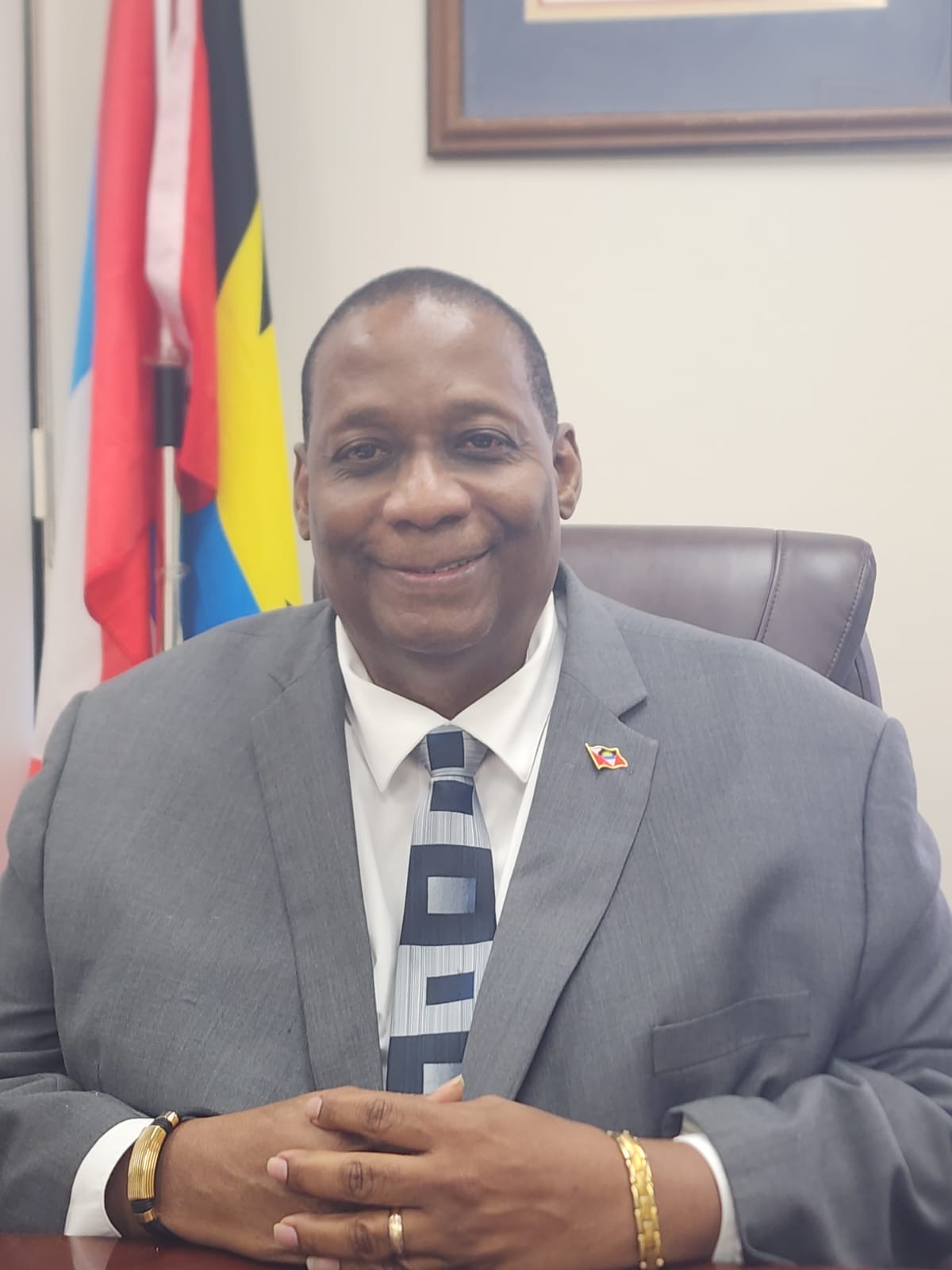
Written by Ambassador, Dr. Clarence E. Pilgrim
The recent military actions launched by the United States and Israel against the Islamic Republic of Iran, followed by Iran’s retaliatory response, have triggered a dangerous escalation. While the tactical details continue to unfold, the strategic reality is unmistakable: innocent lives have been lost. Civilian suffering—on any side—cannot be rationalized as collateral necessity. The primary obligation of states is the protection of life.
We live in an interconnected world where instability spreads rapidly. A strike in one region can unsettle markets, disrupt supply chains, and raise fuel prices across continents within hours. In such an environment, escalation is not contained; it multiplies.
For that reason, I call for the immediate cessation of hostilities—wherever they occur—and the urgent declaration of zones of peace.
A zone of peace is not rhetorical idealism. It is a structured political commitment to halt offensive actions, suspend retaliation, and return to disciplined diplomacy grounded in international law. As the Secretary-General of the United Nations has repeatedly warned, there is no military solution to complex geopolitical crises. Escalation reduces options; dialogue restores them.
The economic implications of sustained confrontation are profound. The Middle East remains central to global energy production and maritime transit. Instability drives up oil prices, inflates shipping insurance, disrupts trade routes, and injects volatility into financial systems. Higher energy costs cascade into electricity tariffs, transportation expenses, and food prices worldwide.
For small and open economies—including those in the Caribbean—the impact is immediate. Freight charges increase. Imports become more expensive. Tourism declines amid global uncertainty. Investors hesitate. Governments are forced to redirect limited fiscal space from infrastructure, housing, and modernization toward managing volatility.
Peace, by contrast, sustains economic momentum. Stability protects trade corridors and reinforces investor confidence. You cannot build resilient economies on a foundation of perpetual conflict.
As Chairman of the Association of Caribbean States Special Committee on Transport, I have consistently emphasized that secure maritime corridors, reliable air connectivity, and efficient port systems are pillars of economic resilience. Armed conflict threatens these very systems. Shipping routes become vulnerable, airspace restrictions disrupt connectivity, and risk premiums escalate. Zones of peace preserve the infrastructure upon which global commerce depends.
The environmental consequences of conflict are equally troubling. Military engagements damage infrastructure, release pollutants, and generate significant greenhouse gas emissions. Strikes on industrial or energy facilities risk contamination of land and marine ecosystems. Reconstruction demands carbon-intensive resources at a time when the world is striving to reduce emissions and accelerate climate action.
Conflict delays renewable energy transitions and diverts attention from climate adaptation. It is environmentally regressive.
As Vice Chairman of the Caribbean Sea Commission, I remain deeply aware that semi-enclosed seas and coastal ecosystems are particularly vulnerable. Marine pollution and debris generated by armed conflict do not respect borders. Oceans are interconnected systems; environmental degradation anywhere contributes to cumulative global stress. Protecting the seas requires protecting peace.
Beyond economics and ecology lies an even greater concern: armed conflict undermines the long-negotiated Sustainable Development Goals (SDGs). These goals represent a comprehensive global framework to eradicate poverty, reduce inequality, strengthen institutions, expand healthcare and education, and combat climate change. They were designed to elevate human development and move the world toward higher standards of well-being and a stronger Human Development Index.
Every escalation diverts resources from classrooms to combat, from hospitals to hardware, from renewable energy investments to reconstruction. It weakens global cooperation at the very moment unity is essential. Sustainable development cannot thrive in an environment of sustained militarization.
We must confront a fundamental question: can the international community credibly pursue peace, justice, climate action, and inclusive growth while normalizing cycles of armed confrontation?
Leadership in the twenty-first century must be measured not solely by the projection of power, but by the capacity to prevent unnecessary harm and safeguard the international order. The United States, alongside Israel, Iran, and all engaged actors, carries significant influence and responsibility. Acting as a stabilizing force—anchored in multilateral consultation and adherence to the United Nations Charter—will reinforce confidence in the rules-based system upon which small and large states alike depend.
The choice before the world is clear. One path leads toward prolonged instability, economic fragmentation, rising emissions, environmental degradation, and diminished human development. The other leads toward restraint, cooperation, and durable peace.
End hostilities wherever they are. Halt cycles of retaliation. Immediately declare zones of peace.
Protect lives. Preserve economic stability. Secure environmental integrity. Safeguard the seas. Recommit to the Sustainable Development Goals and the advancement of human development.
Peace is not passive. It is strategic. And at this defining moment, it is indispensable.
The End.
Sincerely,
H.E. Dr. Clarence E. Pilgrim
Permanent Secretary of
Foreign Affairs, Trade and Barbuda Affairs

End Hostilities Wherever They Are and Immediately Declare Zones of Peace – Part I

FRO FEST CELEBRATES IDENTITY WITH ‘SUNFLOWER AND CURLS’ THEME

FAMILIES THANK GOVERNMENT AFTER RECEIVING BUILDING MATERIALS FREE OF COST

GOVERNMENT EYES HIGH-END TOURISM INVESTMENT AT BARNACLE POINT

CWI PRESIDENT PRAISES TEAM’S PERFORMANCE AT ICC MEN’S T20 WORLD CUP

“They Want Us To Die”: The Triple C Crisis, the Caribbean Person, and What We Must Do for Ourselves

JUSTINE CHARLES CONTINUES FAMILY TRADITION IN PHARMACY

FAMILY OF SLAIN MAN DEMANDS JUSTICE AS PROBE CONTINUES

PM BROWNE OPTIMISTIC ON CLICO-BAICO PAYOUT DEAL AFTER TALKS WITH T&T PM

US IMPLEMENTS PARTIAL TRAVEL RESTRICTIONS FOR NEW VISA APPLICANTS

ABS EVENING NEWS (LOCAL SEGMENT & WEATHER REPORT) 19.1.2024
ABS EVENING NEWS (LOCAL SEGMENT & WEATHER REPORT) 18.1.2024

ABS EVENING NEWS (LOCAL SEGMENT & WEATHER REPORT) 16.1.2024
ABS EVENING NEWS (LOCAL SEGMENT & WEATHER REPORT) 14.1.2024