Op-Ed
The Endurance Economy: Part 3: Paying Twice
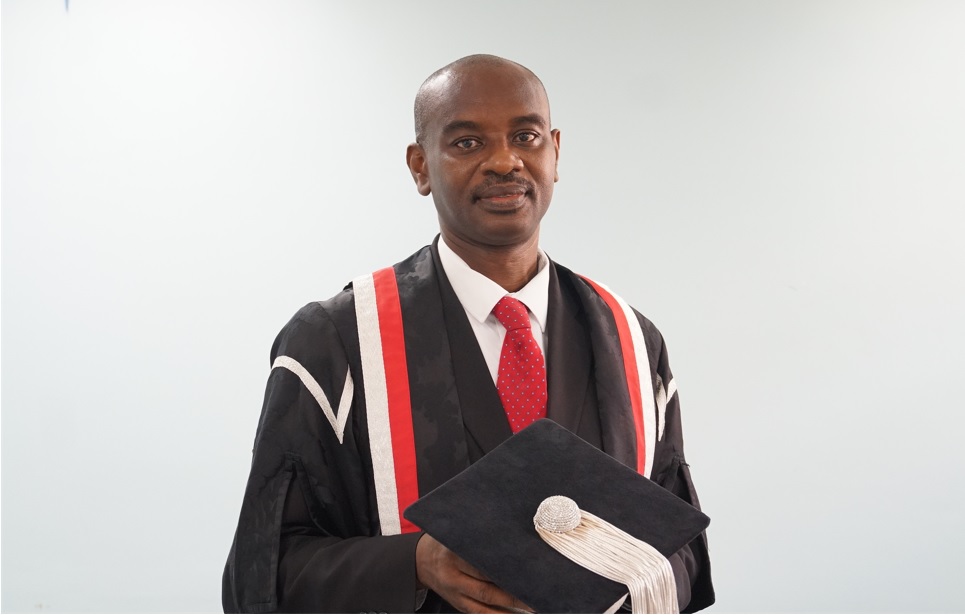
By Professor C. Justin Robinson Pro Vice-Chancellor and Principal, The UWI Five Islands Campus
The “cost of living killing we” is the most common refrain across the Caribbean. It’s a refrain more popular than any tune from Machel, Skinny, Beenie Man or Buju Banton. “The dollar can’t stretch boy” is a reliable conversation starter across the Caribbean. As one gentleman said, “the salary arrives, but it no longer carries the family to the end of the month”. Yet the Endurance Economy forces them to pay twice for many services further stretching their household budgets. In Caribbean the Endurance Economy adds a money tax to the time tax mentioned in part 1 of the series. The money tax, paid in water tanks, generators, private lessons and second cars.
The evidence of paying twice is visible if you take a stroll through any middle-income neighbourhood anywhere in the Caribbean. The water tanks, generators and two or more cars parked, are what I mean by paying twice. Less visible is the money spent on extra school lessons, private school fees, health insurance, private pensions and fees for private security.
The Endurance Economy forces these households to pay twice by having to buy private substitutes for water, electricity, education, health care, security and transport while also financing the public versions through taxes, charges and statutory contributions. This is one of the largest costs of Caribbean life, yet it barely appears in the way we discuss the cost of living. Times are already tough so why do we endure paying twice for some many services.
The burden creates a feedback loop that entrenches the Endurance Economy. The burden reduces trust, low trust makes exit rational, exit drains the public system of voice, the system degrades and the burden rises. The exit from the use of public services by so many citizens further entrenches the Endurance Economy. The families with water tanks stop calling the Water Authority or Radio Programs when the water goes. The parents with children in private schools or paying for private lessons and the professionals with private health insurance don’t use their skills and connections to lobby and organize to improve the public education and health care systems. Their choices are understandable at the individual level, but the cumulative effect is to drain public systems of the voices most capable of forcing change and help entrench the current system.
Households in a country can spend more each year defending households against unreliable systems and the country can congratulate itself on GDP growth. The extra vehicle, the security systems, the water tank, the generator, the private lessons, the use of Western Union because people are unbanked, payday loans and I can go on and on. A Caribbean household earning US
$3,000 per month (many earn less) cannot afford the spend required to cope in the Endurance Economy and if we don’t fix it our people will continue to exist paycheck to paycheck and unable to contemplate building wealth.
A system survives because elements of society benefit and the endurance economy has many beneficiaries. Suppliers of the private services that substitute for the failing public services are doing a roaring trade. A broker earns money for helping households navigate tedious and complicated processes and existing suppliers profit from complexities in the existing supply chain. It’s not that these businesses are wicked, they are acting rationally to profit from opportunities provided by the Endurance Economy.
Reform therefore needs a constituency with something concrete to gain. The mass of people in the middle who can’t or are struggling to finance exit from the Endurance Economy is that constituency. Failing services have an adverse effect on the quality of life of those who can’t exit. The effects can be life changing when kids must endure failing schools and are deemed academic failures and sometimes life and death in terms of failing healthcare. For those who are financing exit when you add up the costs of failing services, school fees, vehicle costs, insurance, security, backup power and water storage, the bill can reach tens of thousands of local dollars. That is money that can be saved and spent on what the population would prefer to spend on.
My final proposal is to give the mass in the middle voice through a Paying Twice Budget Test. My proposed Household Coping Cost would estimate what households spend privately because selected public services are unreliable or inaccessible. More importantly, every major public-service investment would identify which coping expense it is intended to reduce, for which households and by how much.
The first edition of the Paying Twice Budget (an excellent university led project) could initially focus on a few services. Urban transport and water reliability seem ideal and the project would establish three-year household targets. A key performance indicator for a transport project could be share of lower- and middle-income households maintaining a second vehicle mainly for work and school and the increase in the number of public transportation trips by private vehicle owners. A water programme might aim to reduce spending on trucked water, emergency pumping and equipment damaged by unstable supply.
The Paying Twice Budget would expose flaws in public projects. A government may subsidize electric vehicles while parts and charging access remain scarce. It may finance household solar while grid rules remain unresolved or it may build a food-processing plant without organizing supply from small farmers. The asset photographs well but the missing institution determines whether the household actually saves.
Some households will still choose private education, private medicine or a larger vehicle even when public alternatives improve and that’s just fine. The goal is to begin dismantling the Endurance Economy so the public spends based on their preferences instead of on compelled coping.
Taken together, the reforms proposed in this three-part series are modest. The reforms aim to give voice to members of society who lack the capacity for exit from the Endurance Economy. The voice is provided by a public Endurance Account which makes public the private costs of endurance. A Citizen Service Warranty aims to provide, automatic consequences for missed
administrative service standards and The Paying Twice Budget shows which private coping costs public investments will remove.
The economies we endure were built arrangement by arrangement and they can be dismantled the same way once we decide to so do. We should do this so Keisha can lie in with Rhaj another hour because the water runs from the taps regularly and Rhaj can rely on the bus service. If we succeed in dismantling the Endurance Economy Rhaj, Keisha, her mom, the kids and Lasonta can go on that African Safari they have been longing for because they are not paying twice for services they are already taxed to provide.

Minister Johnson Pushes for Caribbean Financing Bloc, Warns Disaster Aid Must Reach Islands Faster

GRENADES AND BULLETS FIRE INTO KNOCKOUT CUP SEMIFINALS

GOVERNMENT EYES HOTEL PROJECTS TO INCREASE LOCAL TOURISM OWNERSHIP

ANTIGUANS AND BARBUDANS JOIN IN CALL FOR END TO EMBARGO AGAINST CUBA

A&B COULD DECIDE TO SUSPEND ITS CIP AMID EU PRESSURE

IMF POINTS TO POTENTIAL REVENUE FALLOUT FROM THREAT TO CIP
A&B COULD DECIDE TO SUSPEND ITS CIP AMID EU PRESSURE

CHINESE OFFICIALS HOLD CULTURAL EXCHANGE FOR YOUTH PARLIAMENTARIANS

UNDER-15 FOOTBALLERS EN ROUTE TO AZERBAIJAN FOR WORLD CUP FESTIVAL

‘NORMAL BUSINESS WILL GO ON’ – POLICE ALLAY FEARS OF EXPANSIVE LOCKDOWN FOR CHOGM
ABS EVENING NEWS (LOCAL SEGMENT & WEATHER REPORT) 19.1.2024
ABS EVENING NEWS (LOCAL SEGMENT & WEATHER REPORT) 18.1.2024
ABS EVENING NEWS (LOCAL SEGMENT & WEATHER REPORT) 16.1.2024
ABS EVENING NEWS (LOCAL SEGMENT & WEATHER REPORT) 14.1.2024