Op-Ed
Other people’s wars, Caribbean bills

By Sir Ronald Sanders
The Caribbean did not start, or participate in, the war involving the United States, Israel and Iran, nor the other continuing conflicts in the Middle East. Yet millions of Caribbean people are paying a price for them every day.
They pay it at petrol stations, in electricity bills, at supermarkets and through the public finances of governments trying to shield their populations from costs over which they have little control.
Most CARICOM countries have depended on imported petroleum products for decades. Their governments understand the consequences when international prices rise. They also know how limited their capacity is to absorb them.
But the effects differ within the Caribbean Community.
For most members, higher petroleum prices drain foreign exchange, increase inflation and strain government finances. However, for Guyana and Trinidad and Tobago, higher prices are also increasing energy export earnings and public revenues.
Nonetheless, people in both countries also face rising food, freight and other costs.
UN Trade and Development, UNCTAD, reported that the initial Middle East shock sent oil prices surging by more than 60 percent and natural gas prices more than doubling in a matter of days.
UNCTAD subsequently reported that Caribbean households continued to experience higher fuel and electricity costs even as international oil prices eased. This is because a fall in the international price does not immediately reverse costs already working their way through shipping, distribution and retail systems.
Oil enters the price of almost everything. Higher energy and freight costs increase the price of food, medicine, construction materials and the operation of businesses.
Governments face understandable pressure to reduce fuel taxes, subsidise electricity or provide other relief. But each intervention costs money. Countries carrying high debt and facing expensive borrowing cannot indefinitely absorb increases generated abroad.
The injustice is plain. Small Caribbean states do not determine the military decisions that produce these shocks. Yet their people bear part of the bill.
The Community should now examine how its own resources and trading relationships can reduce that burden.
Guyana’s government projects approximately USD 5.97 billion from the sale of its share of oil production and a further USD 508 million in royalties in its 2026 Mid-Year Report, substantially above the original budget estimates.
Those resources belong to the Guyanese people. After generations of hardship and outward migration, they are entitled to better infrastructure, education, health care and living standards. No one should begrudge that entitlement.
Trinidad and Tobago also receives revenue relief from higher energy prices, while bearing the cost of imported refined fuel and measures to protect consumers. Production constraints and higher fuel-import costs, however, limit the benefit.
An important consideration in all this is that CARICOM countries are customers for the goods that both economies produce. Trinidad and Tobago’s provisional official figures record approximately USD 864 million in exports to CARICOM excluding mineral fuels in 2024, accounting for almost two-thirds of its total merchandise exports to the Community.
Guyana also has an established interest in Caribbean markets, particularly for its agricultural products. Those markets matter to its farmers and businesses and to its ambition to diversify beyond petroleum.
But when households in CARICOM countries must spend more on electricity and transport, they have less to spend on other goods. When businesses face higher operating costs, their capacity to purchase and invest is weakened. These pressures threaten demand for goods from Guyana and Trinidad and Tobago. Helping neighbouring economies withstand the shock therefore serves the commercial interests of regional suppliers.
For Guyana, there is also a diplomatic and security interest.
Venezuela’s claim to the Essequibo region makes sustained CARICOM solidarity particularly important. Its interim president, Delcy Rodríguez, has expressly stated that Venezuela will not recognise the International Court of Justice’s eventual ruling, despite participating in the proceedings.
Guyana pursued judicial settlement after the UN Secretary-General selected the Court as the means of resolving the controversy under the 1966 Geneva Agreement. CARICOM’s support for Guyana’s territorial integrity and that process must remain firm in conduct as well as declarations.
Every small Caribbean state has an interest in upholding international law and resisting territorial claims pursued through pressure or threats. The support of CARICOM countries for Guyana rests on these principles. However, closer economic cooperation would give that solidarity additional practical strength. Guyana has sound reasons to help its neighbours through this crisis.
A Community whose members see their prosperity and security as closely connected will have stronger interests in standing together.
What, then, can be done?
Regional fuel trade already exists. Trinidad and Tobago’s storage, trading and distribution operations supply CARICOM markets, despite the closure of the Petrotrin refinery. Guyana exports crude internationally but still imports refined petroleum products. Its government is considering refinery and storage developments that could eventually serve the wider Community.
Crude oil offshore is not usable fuel at a Caribbean power station or petrol pump. Connecting production to regional needs requires commercially viable refining, storage, shipping and distribution arrangements.
CARICOM should assess collectively how existing supply relationships can be strengthened, storage expanded and emergency arrangements coordinated. It should examine whether collective purchasing or carefully designed longer-term contracts could improve bargaining power and supply reliability.
Such arrangements cannot remove exposure to international prices, which respond to supply, demand and market expectations. Their costs and benefits should nevertheless be assessed, with financing proposals, a timetable and clear responsibility for implementation. Any arrangements must respect existing contractual obligations and provide measurable benefits to suppliers and consumers.
Renewable energy must remain central to this effort. The region has sunshine, wind, water and geothermal resources, alongside Guyana’s expanding petroleum production, Trinidad and Tobago’s energy expertise and Suriname’s offshore prospects. Financing, geography, small markets and the high cost of capital have constrained their development.
The present crisis should strengthen the determination to overcome those constraints. Oil and gas can support energy security during the transition. Every unit of renewable electricity that displaces imported fossil fuel, and every improvement in energy efficiency, reduces exposure to the next price shock.
But these measures will take time. Governments facing immediate pressure on essential services and development spending also need access to affordable financing.
Guyana and Trinidad and Tobago should consider a programme of loans on concessional terms to their CARICOM neighbours, within their means and with clear safeguards. Such financing should help stabilise economies, protect essential social services and sustain investment in development.
The question is whether countries with the capacity to help are willing to do so before economic hardship deepens. For Guyana and Trinidad and Tobago, helping their neighbours would protect markets for their exports and strengthen regional relationships that serve their own prosperity and security. Now is the time to act.








Minister Matthew takes girl power to Cabinet, backs bidfor global robotics title

Other people’s wars, Caribbean bills

Woman Stabbed During Home Invasion

Two Men Charged in Connection with Bendals Armed Robbery
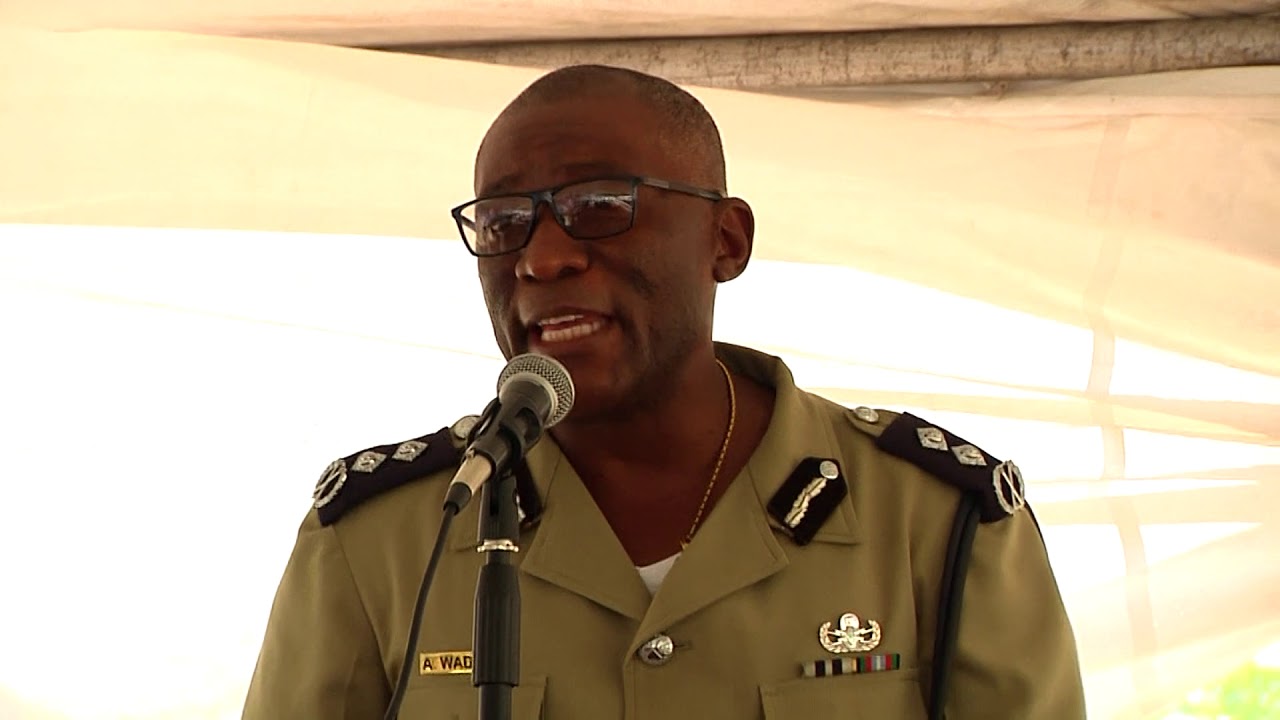
Deputy Commissioner Albert Wade Back in Charge of HMP

ATTORNEY EXPLAINS ‘CHILD DESTRUCTION’ LAW FOLLOWING PREGNANT WOMAN’S MURDER

Two Additional Persons Charged in Connection with Murder of Mordecai Eleazar Francis

“Have We Lost Our Humanity?” Minister Turner Makes Passionate Plea for Society to Believe Children and Report Abuse

‘IT’S REAL HARD’ – XPZ EMPLOYEE GUTTED BY SECOND FIERY DESTRUCTION IN 5 YEARS

PM BROWNE DEFENDS STRONG TIES WITH BOTH US AND CHINA

ABS EVENING NEWS (LOCAL SEGMENT & WEATHER REPORT) 19.1.2024
ABS EVENING NEWS (LOCAL SEGMENT & WEATHER REPORT) 18.1.2024
ABS EVENING NEWS (LOCAL SEGMENT & WEATHER REPORT) 16.1.2024
ABS EVENING NEWS (LOCAL SEGMENT & WEATHER REPORT) 14.1.2024